The Isle of Man TT: The World’s Most Dangerous Race
The Isle of Man Tourist Trophy (TT) race stands as one of motorsport’s most thrilling yet controversial events. Since its inception in 1907, this legendary motorcycle race has captivated millions while simultaneously raising profound questions about risk, safety, and the price of pursuing speed on public roads.
A Historic Legacy
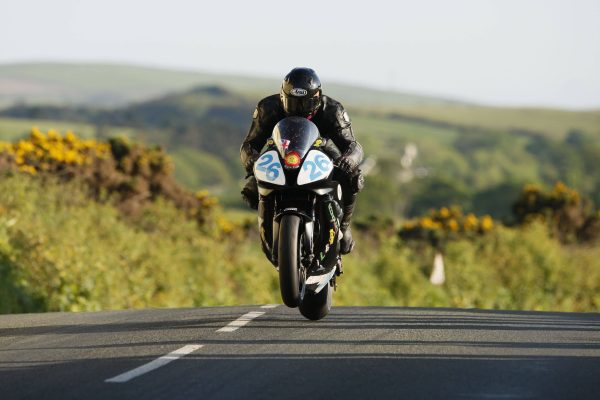
The Isle of Man TT began in 1907 as a solution to Britain’s strict speed limits on public roads. The island’s government agreed to close its roads for racing, creating what would become the ultimate test of rider skill and courage. The 37.73-mile Mountain Course winds through villages, past stone walls, over bridges, and along cliff edges a circuit that demands absolute precision and an unwavering nerve.
Over 117 years, the event has grown into a spectacle that attracts approximately 40,000-50,000 visitors annually, with global television audiences reaching millions. Riders chase lap records at average speeds exceeding 135 mph, with top speeds surpassing 200 mph on certain sections of public road.
The Sobering Statistics
The Isle of Man TT’s reputation as the world’s most dangerous race is built on tragic foundations. Since 1907, over 265 riders have lost their lives during practice sessions and races. This figure doesn’t include the additional fatalities from associated events like the Manx Grand Prix.
The fatality rate is staggering when compared to other motorsports. In recent decades, the death toll has continued, with fatalities occurring in nearly every race week. Between 2013 and 2023, more than 20 riders died competing at the TT a stark reminder that this is not merely a historical problem but an ongoing reality.
The Challenges Facing Riders

Racers at the Isle of Man TT face unique and extreme challenges that set it apart from circuit racing this includes, the environment, mental endurance, medical response and the weather.
Unlike purpose built racetracks with run-off areas and safety barriers, the TT course features stone walls, telegraph poles, trees, and buildings mere inches from the racing line. A momentary lapse in concentration or minor mechanical failure can prove fatal.
Riders must memorise every corner, bump, and landmark across nearly 38 miles while maintaining focus at race speeds for 17-20 minutes per lap. The mental strain is immense, with over 200 corners demanding split-second decisions.
The course’s length and remote sections mean that medical response times can be significantly longer than at traditional circuits, potentially affecting survival rates following crashes.
Conditions can change dramatically across the course, with sunshine in one section and rain in another, adding another layer of unpredictability to an already dangerous challenge.
Spectator Safety Concerns

While rider safety dominates discussions, spectator safety presents its own challenges. With fans standing behind hay bales and low barriers, sometimes just feet from motorcycles traveling at lethal speeds, the potential for tragedy extends beyond the competitors.
Several spectators and race officials have been killed or seriously injured over the decades. The 2022 event saw heightened concerns when a serious incident highlighted the vulnerability of marshals and observers positioned around the course. Managing crowd safety across 37.73 miles of public road remains a monumental logistical challenge for organisers.
The Ethical Debate
The Isle of Man TT exists in a unique space within motorsport celebrated for its tradition and condemned for its danger. Critics argue that no sporting event should accept such regular fatalities as an inevitable cost. They point to other motorcycle racing series that have dramatically improved safety through circuit design, medical facilities, and protective technology.
Defenders counter that the TT represents freedom of choice adult competitors who understand the risks and choose to participate in pursuit of glory on the world’s most demanding course. They argue that the race’s heritage and the economic benefit to the Isle of Man (estimated at over £30 million annually) justify its continuation with ongoing safety improvements.
Safety Evolution
To their credit, organisers have implemented numerous safety measures over the decades:
• Improved medical facilities and helicopter evacuation protocols
• Enhanced rider protection equipment requirements
• Air fence barriers at key locations
• Mandatory newcomer experience requirements
• Advanced rider briefings and course familiarisation
Yet these improvements have not stopped the deaths. The fundamental challenge remains: racing at extreme speeds on public roads inherently carries risks that cannot be eliminated without fundamentally changing the event’s character.
The Future of the TT
As we progress through the 21st century, the Isle of Man TT faces increasing scrutiny. Each fatality reignites debate about whether tradition and spectacle can justify the human cost. Younger riders continue to dream of TT glory, while families of fallen racers campaign for greater safety measures or question whether the event should continue at all.
The event industry must grapple with these questions:
- What level of risk is acceptable in the name of sport and entertainment? How do we balance heritage with human life?
- Can the Isle of Man TT evolve to become safer while retaining its essence, or are danger and tradition inextricably linked?
Conclusion
The Isle of Man TT remains motorsport’s most contentious event a beautiful, terrifying spectacle that pushes human capability to its absolute limits. Its 117-year history is written in both triumph and tragedy, with each lap record achieved and each life lost becoming part of its complex legacy.
For event professionals, the TT serves as a profound case study in risk management, stakeholder responsibility, and ethical decision making. As the live events industry continues to evolve with safety at its forefront, the Isle of Man TT stands as a reminder of the delicate balance between preserving tradition and protecting human life a balance that, arguably, this legendary race has yet to achieve.
What is the IIOLE?
We are an international online learning environment, providing free resources and bespoke courses, the IIOLE was formed by accomplished academics and practitioners who have produced events across the globe and published extensively within the field of live events management.