
Why Does Event Production Cost So Much? Understanding What’s Behind a Technical Quote
Technical production is often one of the largest costs in an event budget. Audio, lighting, video, staging and the crews who operate them can quickly add up.
For event managers without a technical background, a quotation running into thousands of pounds naturally raises questions. Why does the equipment cost so much? Why so many crew? And why pay for planning, rehearsals and transport for an event lasting a few hours?
The answer is that every quotation reflects the resources, specialist knowledge and planning needed to turn a creative idea into a working live experience. Understanding those costs helps event managers make informed decisions and work effectively with suppliers.
You’re Not Just Paying for Equipment
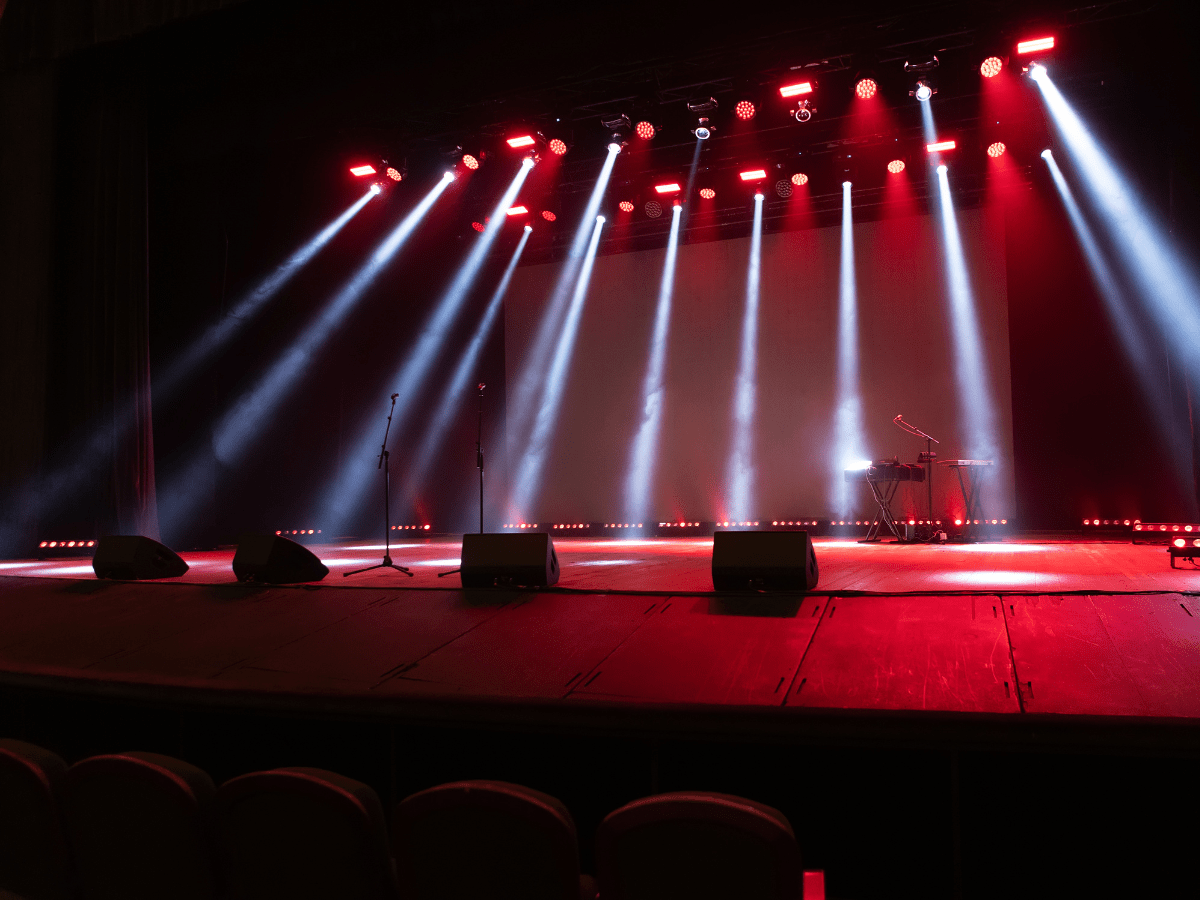
A common misconception is that most of the cost comes from hiring physical equipment. Equipment is a significant investment, but its hire price covers much more than making it available for a few days.
Professional audio, lighting and video systems are expensive to buy. They also need regular maintenance, testing, repair and eventual replacement. Suppliers must invest in storage, spare equipment and the staff who prepare and look after their inventory.
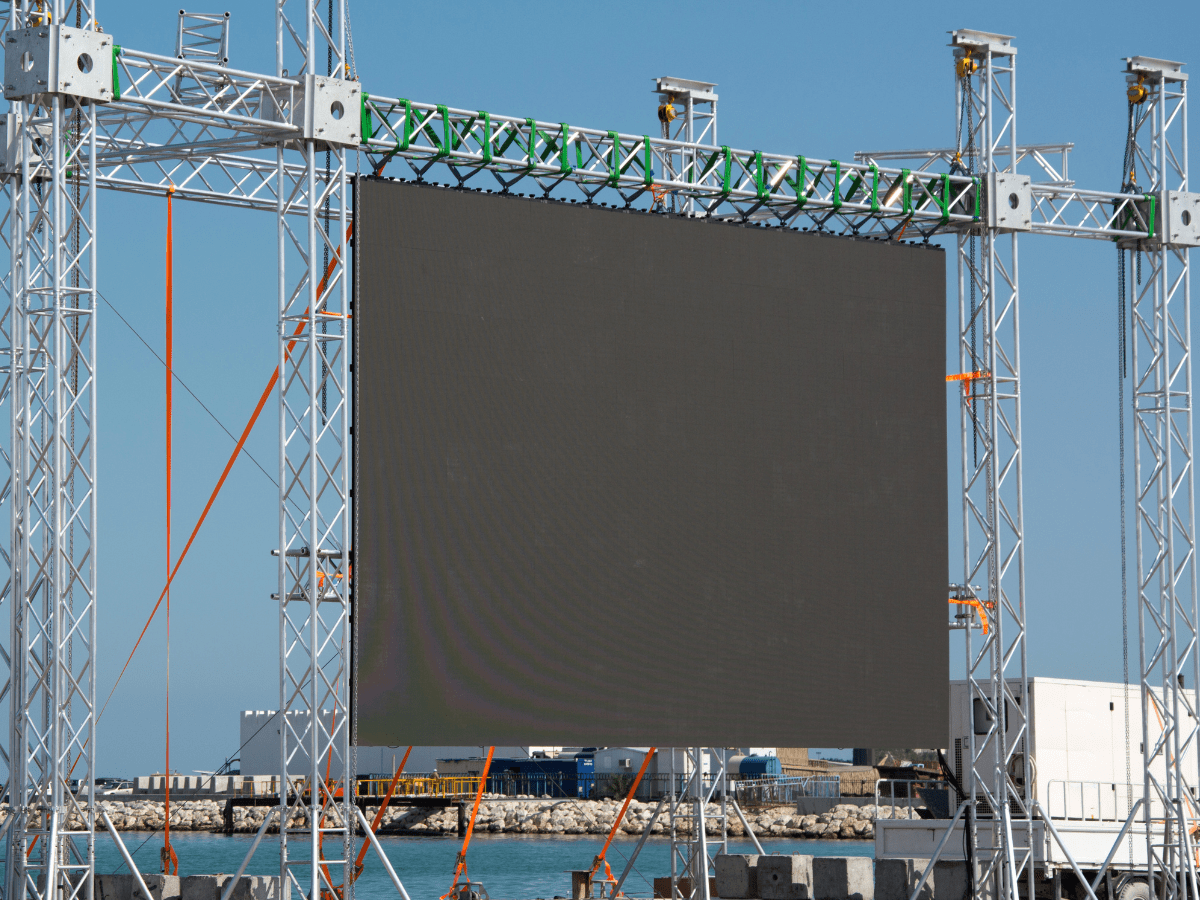
Take a professional LED screen. The visible screen is only one part of the system. Depending on the installation, it may also need supporting structures, processors, signal distribution, power, cabling and specialist technicians. What looks like a simple screen hire can be a much larger technical system.
The value of equipment lies not only in what it does, but in how it is specified, integrated and operated as part of the wider event.
The People Behind the Production
Equipment doesn’t install, configure or operate itself.
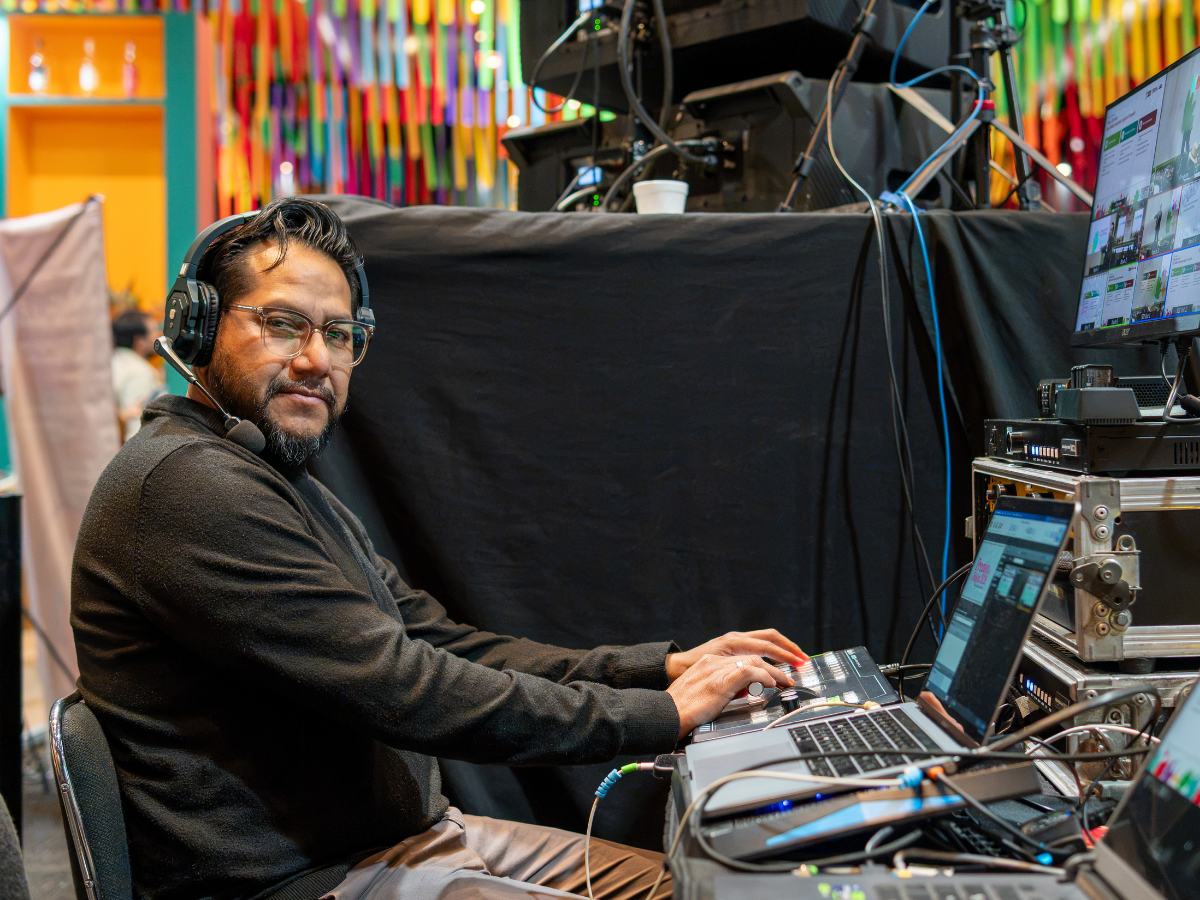
A technical team might include production managers, audio engineers, lighting technicians, video engineers, camera operators, riggers, stage technicians and general crew. Some events need a small team; larger or more complex productions may involve dozens of people across several departments.
Crew numbers aren’t determined by audience size alone. A small corporate event with multiple presenters, video playback, camera coverage, remote contributors and live streaming can be a surprisingly complex operation. A larger event with simple requirements may need fewer specialists.
Labour costs also cover far more than the hours the audience is present. A technician may prepare equipment in the warehouse, travel to the venue, install and test systems, attend rehearsals, operate the event and dismantle everything afterwards. Long days, overnight work and specialist qualifications all affect the price.
When reviewing a quote, check how many people are required, what each will do and for how many days.
Why Planning and Pre-Production Cost Money
Much of the technical work happens before anyone arrives at the venue. This stage, known as pre-production, turns the event brief into a practical technical solution.
It can include technical drawings, equipment lists, supplier coordination, checking venue restrictions, scheduling and agreeing responsibilities. Complex productions may also need detailed planning for rigging, power, video systems, broadcast workflows or specialist technologies.
Without this planning, problems are more likely to surface onsite, when there is far less time to fix them. Pre-production is an essential part of delivery, not an administrative extra.
Installation, Rehearsals and Derig
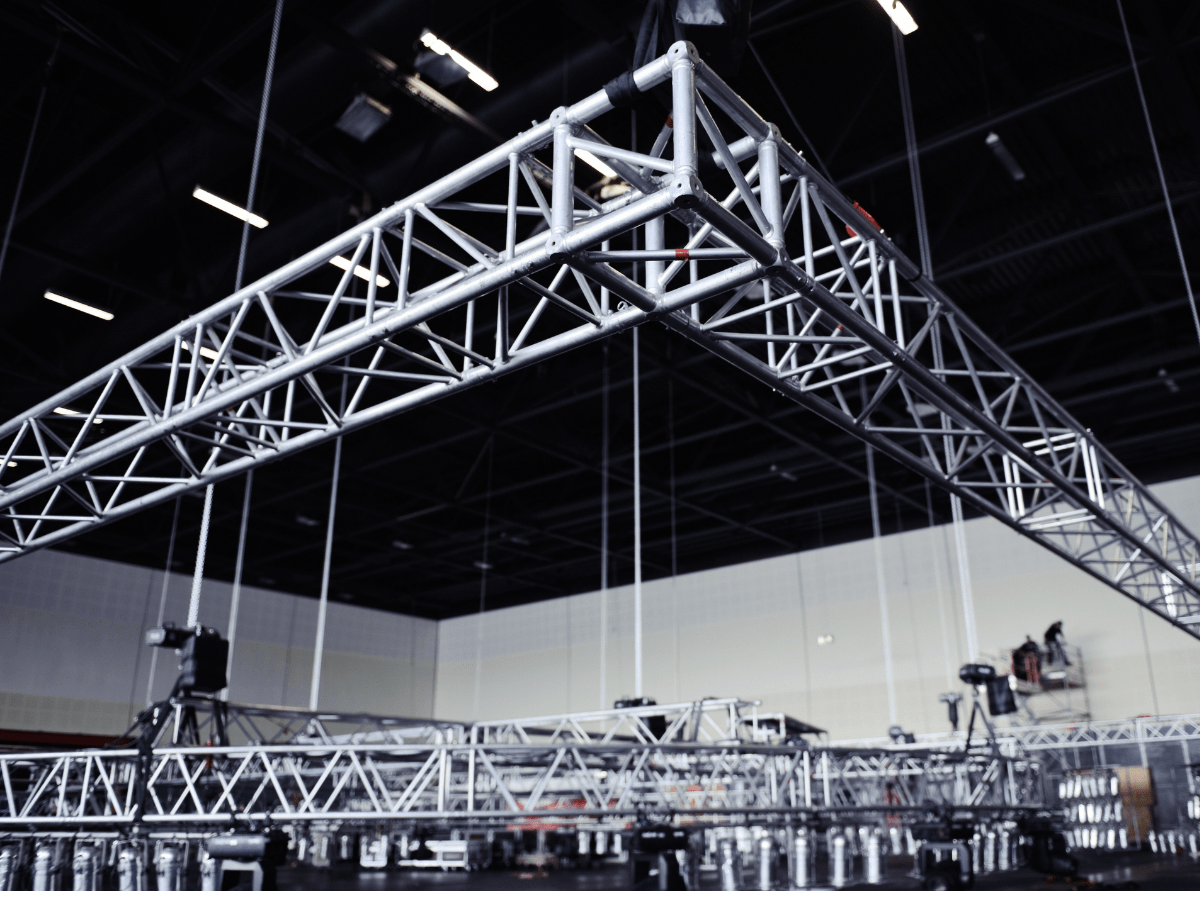
An event may last a few hours, but the production schedule can run over several days: equipment preparation, transport, installation, testing, rehearsals, the live event and dismantling, known as the derig.
Installation alone can involve unloading vehicles, building temporary structures, connecting power and signal, and testing everything before use.
Rehearsals matter just as much. They let presenters, performers and crew work through the running order, test transitions and resolve issues before the audience arrives.
Cutting rehearsal or installation time can look like an easy saving, but it must be weighed against a higher risk of mistakes, delays and technical problems on the day. The best schedules allow enough time for every stage to be completed safely and professionally.

Transport, Logistics and Venue Restrictions
Logistics is one of the most underestimated parts of a production budget.
Equipment must travel from the supplier to the venue and back. Depending on its size and quantity, this can mean several vehicles, specialist transport and extra crew to load and unload.
Venue access makes a big difference. An exhibition hall with direct vehicle access is relatively straightforward. A historic venue with narrow doorways, limited lifts, long access routes and strict working hours may need extra handling equipment, people and time.
Parking, delivery slots, loading facilities and the distance from loading bay to event space all play a part. Some vehicles may need parking permits, although some arenas provide designated truck parking. International productions add freight, customs, accommodation and travel.
None of this is visible to the audience, but it can have a substantial effect on the final cost. Understanding venue restrictions early helps avoid unexpected charges later.

What Does a Technical Production Quote Actually Include?
Consider a fictional corporate conference needing a stage, audio, lighting, video displays and a technical crew. The breakdown below shows how a £30,000 budget might be distributed. It is illustrative only, not an industry benchmark; real costs vary with venue, location, specification, schedule and supplier.
All figures are fictional and exclude VAT. The contingency is a planning allowance and would not necessarily appear on a supplier’s quotation.
Equipment is the largest single cost, yet 60 per cent of the budget goes on the people, planning, logistics, infrastructure and allowances needed to deliver the event.
Not every event will follow this pattern. The point is that a lower equipment price doesn’t guarantee a lower overall cost, and a higher quote may include services another supplier has left out.
Why Two Production Quotes Can Be So Different
Imagine sending the same brief to two production companies. Supplier A quotes £24,000; Supplier B quotes £32,000. Both appear to offer a suitable stage, audio, lighting and video system. So why the £8,000 difference?
Supplier A
£24,000
Supplier B
£32,000
One supplier may have proposed different equipment, fewer technicians or a shorter installation. The other may have allowed more time for pre-production and rehearsals, included backup equipment or specified a more comprehensive solution.
What each quote includes may also differ. One might include transport, crew accommodation and power distribution; the other might list these as exclusions or extras.
Comparing quotes therefore means checking that each supplier has interpreted the brief in the same way, not just comparing totals.
Questions Worth Asking Your Production Supplier
Before accepting a quotation, ask:
What equipment and services are included, and what is excluded?
How many crew are required, and what will each of them do?
How much time is allocated for installation, testing, rehearsals and derig?
What backup arrangements are in place for essential systems?
Are there venue requirements, infrastructure costs or assumptions that could change the final price?
These questions lead to a better-informed discussion and give suppliers the chance to explain why particular equipment or resources have been specified.
Understanding the Cost of Changes
Even well-planned events change. A client may ask for an extra screen, a larger stage, more microphones or live streaming that wasn’t in the original brief.
Adding a live camera feed, for example, may also require a camera operator, video switching, signal distribution, extra cabling and changes to rehearsals, creating costs across several departments.
Schedule changes work the same way. Extending the programme can affect crew hours, transport, venue hire and the availability of specialist technicians.
A clear technical brief and an agreed change-control process help both the event manager and the supplier understand the financial and operational impact of a change before it is approved.
Where Can Event Managers Save Money?

Understanding production costs can reveal genuine savings, but the aim shouldn’t simply be to cut equipment or crew. A better approach is to review the technical requirements against the event’s objectives. For example:
Could the venue’s existing display system replace additional screens?
Could the schedule be adjusted to avoid unnecessary overtime?
Would a simpler stage design deliver the same audience experience with less equipment, labour and transport?
Could suppliers be involved earlier to find more efficient solutions?
Sometimes the right solution costs less than expected; sometimes a higher investment is justified by reliability or audience experience. Either way, savings must never compromise safety, essential technical requirements or the team’s ability to deliver the event.
Good production budgeting isn’t about choosing the cheapest solution. It’s about choosing the most appropriate one.
Understanding Value, Not Just Cost
Technical production shapes what audiences see and hear, how presenters and performers engage with the event, and how reliably the programme is delivered.
Understanding the decisions behind a quotation helps event managers evaluate it with confidence, communicate clearly with suppliers and spot risks earlier.
Ultimately, the question isn’t simply “Why does event production cost so much?” It’s “What are we paying for, why do we need it, and how does it help deliver a successful event?” Being able to answer that is an essential skill for anyone who plans and manages live events.

Develop Your Technical Production Knowledge With IIOLE
At the International Institute of Live Events, we recognise that technical production is an area many event professionals would like to understand better.
That’s why we’ve developed Understanding Event Production, an eight-module online course designed to introduce students, event managers and industry professionals to the technical side of live events.
The course explores the production process, equipment selection, relevant safety requirements and the fundamentals of audio, lighting and video, alongside the challenges involved in delivering technical solutions.
Developed and delivered by experienced industry professionals, it aims to build your knowledge and confidence when working with technical production teams.