
Why Most Event Management Courses Don’t Teach Event Production
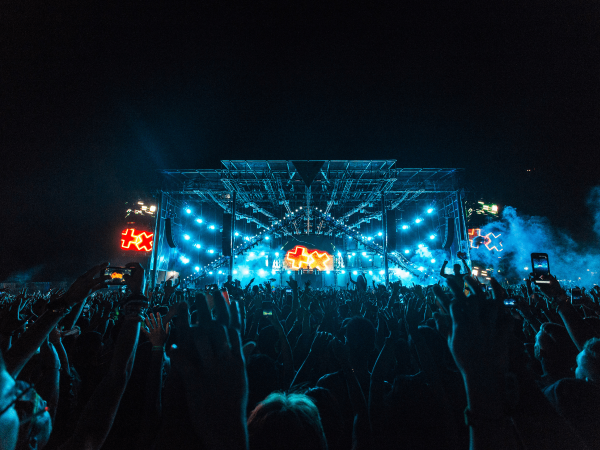
Walk into almost any event and you’ll see the finished product: the stage,
the lighting, the sound system, the LED screens, the cameras and the
seamless experience enjoyed by the audience.
What most people don’t see is the technical expertise required to make it all happen.
Behind every successful event is a production team responsible for designing,
installing, operating and managing the technology that brings an event to life.
Yet despite the importance of technical production, many event management
graduates enter the industry with only a limited understanding of how it all works.
So why is that?
The answer isn’t that universities may recognise the importance of event
production but don’t have the professional staff or expensive equipment
to deliver bespoke modules. In reality, event management degrees have one
of the broadest curriculums of almost any business related subject.
Students are expected to learn about marketing, finance, project management,
sustainability, legislation, risk management, venue operations, customer
experience and much more. Technical production is just one specialist area
within an incredibly diverse industry.
The challenge is that event production isn’t a single subject.
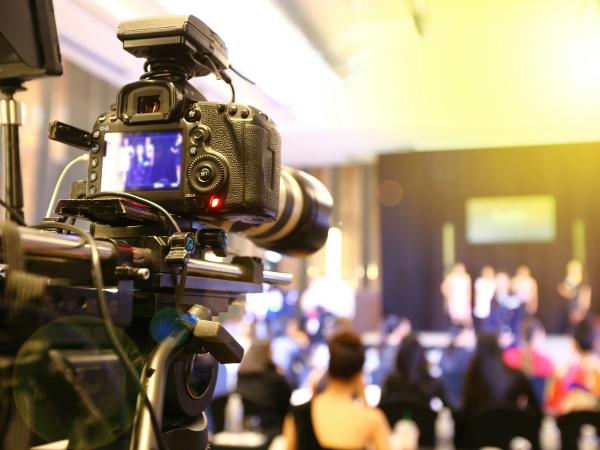
To truly understand production, students need exposure to audio systems,
lighting, video, staging, power distribution, rigging, networking, show
control and health and safety.
Each discipline has its own terminology, equipment and best practice.
Entire careers are built around mastering just one of these areas, making
it difficult to cover everything in the time available within an event
management course.
Practical experience is another significant factor.
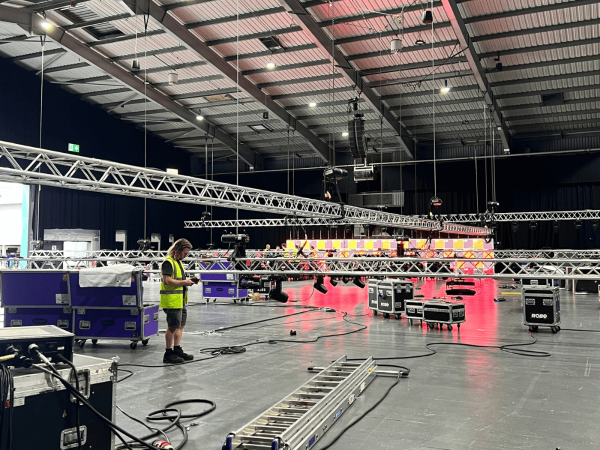
Unlike marketing or project management, event production is difficult to
teach solely in a classroom. Understanding how a lighting rig is built,
how an audio system is configured or how a vision mixer operates becomes
far more meaningful when students can see and use the equipment themselves.
That presents a challenge for many institutions. Professional production
equipment is expensive to purchase, maintain and store, and it requires
suitable spaces and experienced technicians to teach it safely.
Recreating even a modest live event environment can represent a significant investment.
There is also the reality that many event management lecturers have developed
their careers in areas such as event planning, hospitality, tourism, marketing
or venue management.
These experiences provide students with valuable knowledge across the wider
events industry, but not every course has access to lecturers with extensive
backgrounds in technical production.
None of this means event production isn’t important.
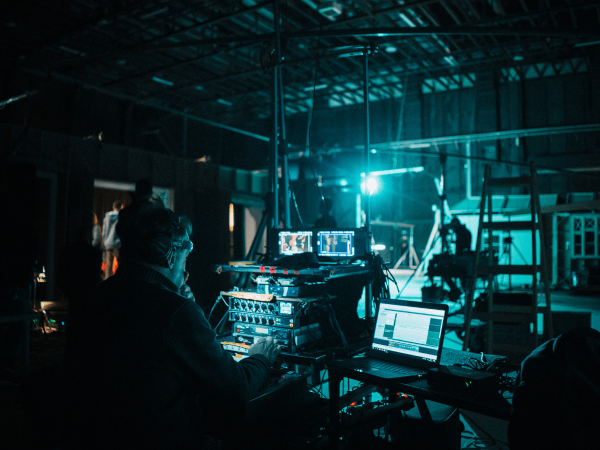
In fact, understanding the fundamentals of technical production can be one
of the biggest advantages an event manager has.
One of the most common misconceptions is that event managers need to know
how to operate every piece of equipment. They don’t.
A production manager isn’t expecting an event manager to programme a lighting
desk or mix front of house audio.
What they do expect is someone who understands the production process well
enough to communicate objectives clearly, ask informed questions and appreciate
the challenges involved in delivering a live event.
As events grow in scale, so do the production teams behind them.
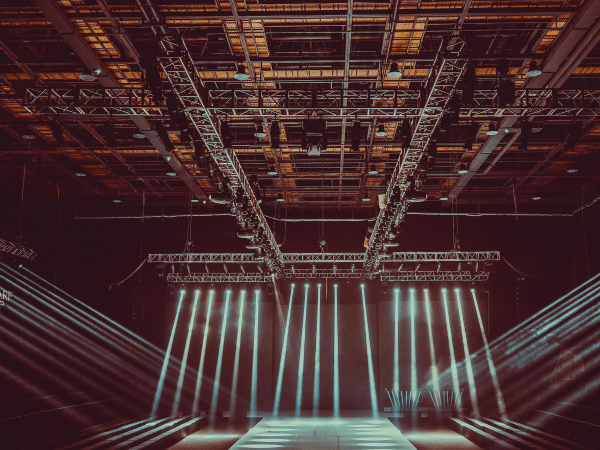
A conference might involve an audio team, lighting technicians, video engineers,
camera operators, stage managers, riggers, show callers, content operators and
production coordinators all working together to deliver a single experience.
Understanding the responsibilities of these teams allows an event manager to
communicate more effectively, make informed decisions and build stronger working
relationships throughout the project.
It also leads to better planning.
Technical production often represents one of the largest areas of an event budget.
Audio, lighting, video, staging, rigging, power and crew can account for a significant
proportion of the overall event cost.
Without a basic understanding of what these services involve, it can be difficult
to evaluate quotations, compare suppliers or understand why certain solutions
are recommended.
Having production knowledge doesn’t mean challenging every recommendation.
It means understanding what you’re buying, recognising where value is being
added and being confident that the proposed solution is appropriate for your event.
Perhaps most importantly, production knowledge helps event managers speak the
same language as their technical teams. Conversations become more productive,
expectations become clearer and potential issues are identified much earlier
in the planning process.
The live events industry is becoming increasingly technical. From hybrid events
and virtual production to immersive experiences, automation and AI, technology
now influences almost every event we attend.
That’s why the most successful event professionals of the future are unlikely
to be those who know everything about production but those who understand enough
to work confidently alongside the specialists who do.
Event management and event production are different disciplines, but they
are inseparable. A greater understanding between them will lead to a better event.
What is the IIOLE?
We are an international online learning environment, providing free resources
and bespoke courses. IIOLE was formed by accomplished academics and practitioners
who have produced events across the globe and published extensively within the
field of live events management.